Dependable Chronic Back Pain Options: Improve Your Relaxation and Mobility
Chronic back pain affects millions, often hindering daily activities. Comprehending its causes and exploring effective treatment options is essential for recovery. A multifaceted approach, combining therapies, lifestyle changes, and alternative treatments, can greatly improve comfort and mobility. However, one must evaluate when to seek professional guidance to tailor a personalized plan. What strategies can truly make a difference in managing this persistent condition?
What Triggers Ongoing Spinal Pain?
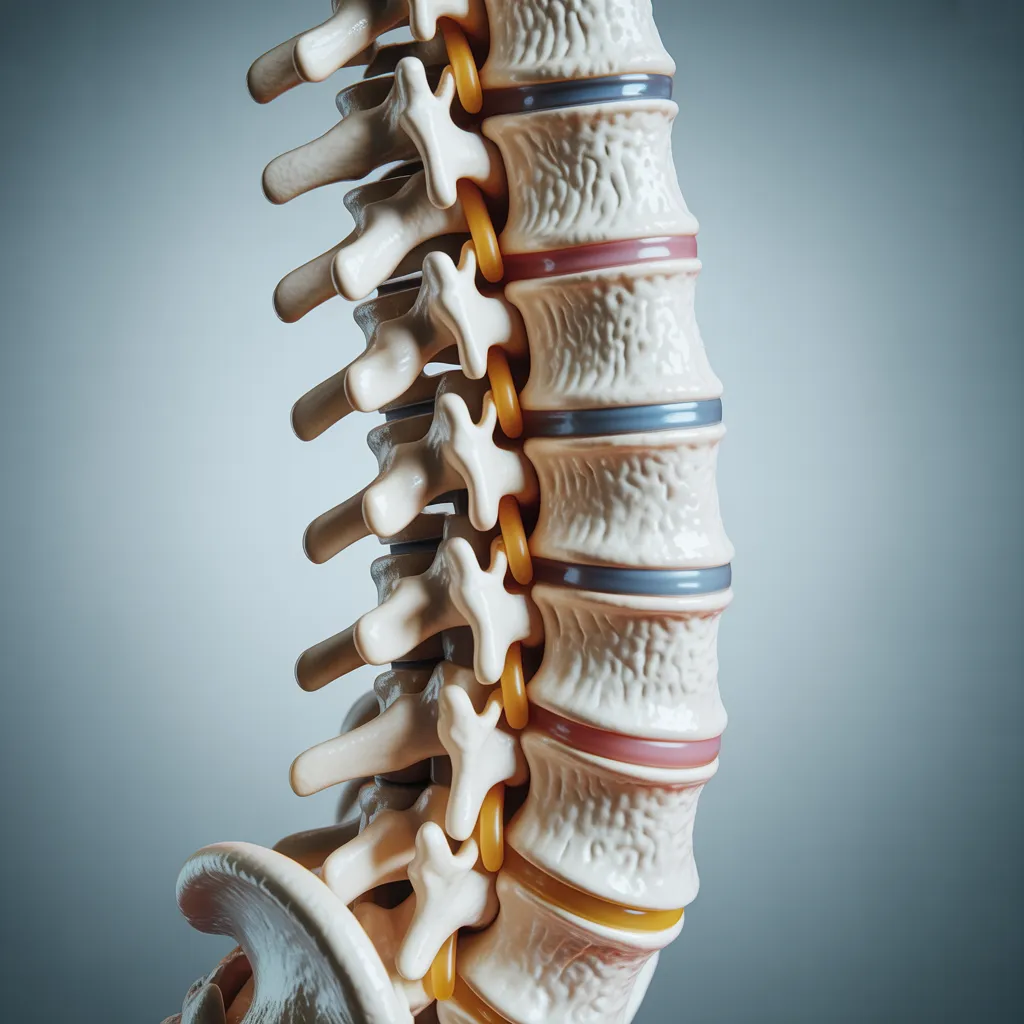
Chronic back pain affects millions of people worldwide, arising due to various factors that can hinder diagnosis and treatment. Commonly, ailments such as herniated discs, arthritis, and spinal stenosis play a significant role to persistent pain. Muscle or ligament strains often arise from heavy lifting or awkward movements, leading to ongoing pain. Additionally, degenerative diseases can affect the spine, causing structural changes that worsen symptoms.
Lifestyle factors, including obesity and lack of physical activity, further boost the risk of chronic back pain. Psychological aspects, such as stress and anxiety, can also play a key role, often enhancing the perception of pain. Furthermore, previous injuries, whether acute or chronic, may leave lasting consequences that contribute to ongoing discomfort. Understanding these diverse causes is essential for effective management and treatment strategies, as they highlight the multifaceted nature of chronic back pain.
Beneficial Therapies for Chronic Back Pain
Effective therapies for persistent spinal discomfort include a range of strategies, with therapeutic exercise and mind-body techniques standing out. Therapeutic exercise improves mobility and strength, while holistic wellness methods encourage relaxation and pain management. Together, these approaches offer an comprehensive strategy for alleviating discomfort and enhancing overall well-being.
Physical Therapy Advantages
Physical therapy offers countless gains for individuals dealing with chronic back pain. It prioritizes boosting mobility, endurance, and range of motion through tailored exercises and techniques. By addressing muscle imbalances and strengthening core firmness, physical therapy supports reduce pain and stave off further injury. In addition, practitioners harness hands-on techniques, modalities including thermal treatment or ultrasound, and education to strengthen individuals explore this topic in managing their condition. This integrated approach not only focuses on physical symptoms but also promotes overall well-being. Regular sessions can yield improved posture and effective movement, allowing people to take part in daily routines with increased ease. Overall, physical therapy functions as a critical component in the thorough care of chronic back pain, encouraging long-term healing and enhanced standard of living.
Mind-Body Interventions
Incorporating mind-body techniques into the treatment of back pain can greatly enhance overall recovery and wellness. These methods emphasize the connection between psychological and bodily conditions, promoting relaxation and reducing stress. Methods including mindfulness meditation, yoga, and guided imagery have demonstrated effectiveness in alleviating pain and improving mobility. Research indicates that these approaches can change how pain is experienced and strengthen psychological fortitude, empowering individuals to manage their symptoms more effectively. By cultivating optimistic thinking and encouraging self-awareness, mind-body techniques can enhance traditional therapies, resulting in improved outcomes. Ultimately, incorporating these techniques into an all-encompassing pain management plan offers a holistic approach that tackles both the physical and emotional aspects of chronic back pain.
Why Consistent Exercise Facilitates Long-term Spinal Pain Recovery
Physical activity plays an essential role in the recuperation from chronic back pain by engaging core muscle strength and enhancing overall elasticity and locomotion. Strengthening core muscles provides vital support to the spine, while improved flexibility allows for wider movement without discomfort. Together, these benefits contribute greatly to pain reduction and improved functional capacity.
Strengthening Core Muscles
Strengthening central muscles is crucial for alleviating chronic back pain. A strong core provides balance and support to the spine, lessening strain on the back muscles. Engaging in targeted exercises helps to improve muscle balance and coordination, which is vital for maintaining proper posture. This, in turn, can lead to decreased discomfort during daily activities and boost overall functional mobility. Core strength training may include exercises such as planks, bridges, and abdominal workouts, which focus on the muscles surrounding the lumbar region. Consistent practice not only aids in pain relief but also builds resistance against future injuries. Consequently, a well-rounded exercise regimen that emphasizes core strength can greatly contribute to the recovery process for individuals suffering from chronic back pain.
Enhancing Flexibility and Mobility
While persistent spinal discomfort often limits movement, improving flexibility and mobility through specific workouts can significantly facilitate healing. Flexibility programs, such as Pilates or yoga, enable individuals to enhance their range of motion, reducing stiffness in the back and adjacent muscle groups. Incorporating low-impact activities, like walking or swimming, encourages circulation and promotes healing. These exercises not only alleviate pain but also foster better posture, which is crucial for sustained comfort. As flexibility improves, people may find it easier to engage in routine activities, thereby boosting general activity levels. Consistent practice of mobility-improving workouts can lead to a stronger and more adaptable physical form, ultimately fostering a more active and fulfilling way of living.
How does mindfulness transform the perception of chronic back pain? Practices of mindfulness, such as meditation and focused breathing, can profoundly influence an individual's perception to pain. By fostering a objective awareness of bodily sensations, mindfulness enables patients to detach from the psychological strain frequently accompanying chronic pain. This cognitive shift helps reduce anxiety and improve overall pain tolerance.
Studies indicate that engaging in mindfulness can lead to reduced pain intensity and improved coping strategies. As individuals learn to observe their pain without immediate reaction, they often experience diminished suffering. Additionally, mindfulness fosters a sense of control, empowering individuals to handle their pain rather than feeling overwhelmed by it.
Embedding mindfulness within typical schedules can enhance quality of life for those managing chronic back pain. Ultimately, this method not only addresses pain management but also supports emotional resilience and mental well-being.
Life Changes to Support Persistent Back Pain Comfort
Making intentional lifestyle modifications can significantly improve relief from chronic back pain. Consistent physical activity, customized to individual capabilities, strengthens the muscles that support the spine. Incorporating low-impact exercises, such as swimming or walking, can improve flexibility and reduce stiffness. Keeping a healthy weight is also crucial, as excess weight can place strain on the back.
Moreover, ergonomic modifications at home and work, including using supportive chairs and appropriate desk elevations, can reduce discomfort. Maintaining proper posture while sitting and standing further promotes spinal health.
Nutrition is important as well; a balanced diet abundant with anti-inflammatory foods can support overall well-being. Finally, prioritizing sleep quality and establishing a regular sleep routine can aid in recovery. By embracing these behavioral modifications, individuals can build a helpful framework for addressing chronic back pain, ultimately enhancing their ease of movement and comfort.
Alternative Treatments That Can Assist with Chronic Back Pain
Examining complementary therapies can offer patients with long-term back problems additional routes for ease. Many explore acupuncture, which entails introducing delicate needles into targeted areas on the body, possibly reducing pain and encouraging repair. Chiropractic care represents another common choice, concentrating on spine arrangement and treatment to improve mobility and decrease discomfort.
Mind-body techniques such as yoga and tai chi can also be advantageous, as they emphasize soft motions and anxiety relief, which may improve overall well-being. Natural supplements, such as turmeric and ginger, have demonstrated inflammation-reducing qualities that could assist in controlling pain.
Moreover, therapeutic massage may provide immediate relief by loosening tight muscle tissue and boosting blood flow. While these alternative treatments can enhance traditional methods, their success rate differs among people. It is vital for those exploring these options to conduct thorough investigation and consult with healthcare professionals to find the most fitting strategies for their specific requirements.
What circumstances warrant obtaining Professional Guidance for Persistent Soreness?
Recognizing when to seek expert assistance for persistent pain can be difficult for many individuals. A general guideline is to consult a healthcare provider if discomfort persists beyond a few weeks despite home treatment. Additionally, people should seek support if the discomfort worsens, disrupts daily activities, or is joined with other concerning symptoms, such as numbness, weakness, or unexplained weight loss.
Professional engagement is indispensable when OTC remedies cease to furnish comfort or if individuals endure significant emotional distress regarding their pain. Rapid intervention can prevent mounting complications and strengthen quality of life. Healthcare professionals can render bespoke therapeutic plans, including physical therapy, pharmaceutic treatment, or specialist referrals. In essence, perceiving the signs that signal the necessity for professional guidance can lead to more effective management of chronic pain and a reestablishment of a progressively active and gratifying lifestyle.
Regularly Asked Questions
Does Persistent Backbone Pain Run in Families?
Chronic back pain can have hereditary elements, as genetic factors may determine an individual's vulnerability to conditions like arthritis or disc degeneration. Ancestral history may contribute to the progression of chronic pain.
What Time Does It Usually Take to Notice Changes?
Improvements in chronic back pain commonly become evident within a few weeks to several months, based on the therapeutic plan, individual wellness variables, and dedication to following treatments, along with lifestyle changes being implemented.
Are There Particular Diets That Help With Back Pain?
Certain eating plans including those abundant with inflammation-reducing nutrients like fruits, vegetables, whole grains, and omega-3 fatty acids, may help alleviate back pain. Staying hydrated and keeping a healthy weight are also advantageous for overall spinal health.
What Part Does Sleep Contribute in Back Pain Healing?
Adequate sleep is essential for back pain healing process by encouraging healing, reducing inflammation, and enhancing overall vitality. Quality slumber empowers the body to restore itself, which helps improve movement capacity and diminish pain sensations during daily endeavors.
Will Stress Make Worse Long-term Back Pain Signs?
Yes, stress can aggravate long-term back pain symptoms. Higher levels of muscle strain in muscle fibers, amplified pain response to aching, and the emotional toll of stress can all lead to escalating pain, making proper management of both discomfort and stress vital.