How Reliable Are Home Paternity Tests? A Comprehensive Analysis
Home-based paternity tests have become increasingly popular due to their convenience and accuracy rates that reportedly exceed 99%. However, their reliability copyrights on several critical factors, including sample collection and testing methods. Although these tests provide both privacy and cost-effectiveness, they might not be admissible in legal settings. Recognizing the intricacies of these tests is vital, most notably when surprising outcomes emerge. The subsequent steps can significantly affect personal relationships and legal situations.
How Do Home Paternity Tests Work and What Are They?
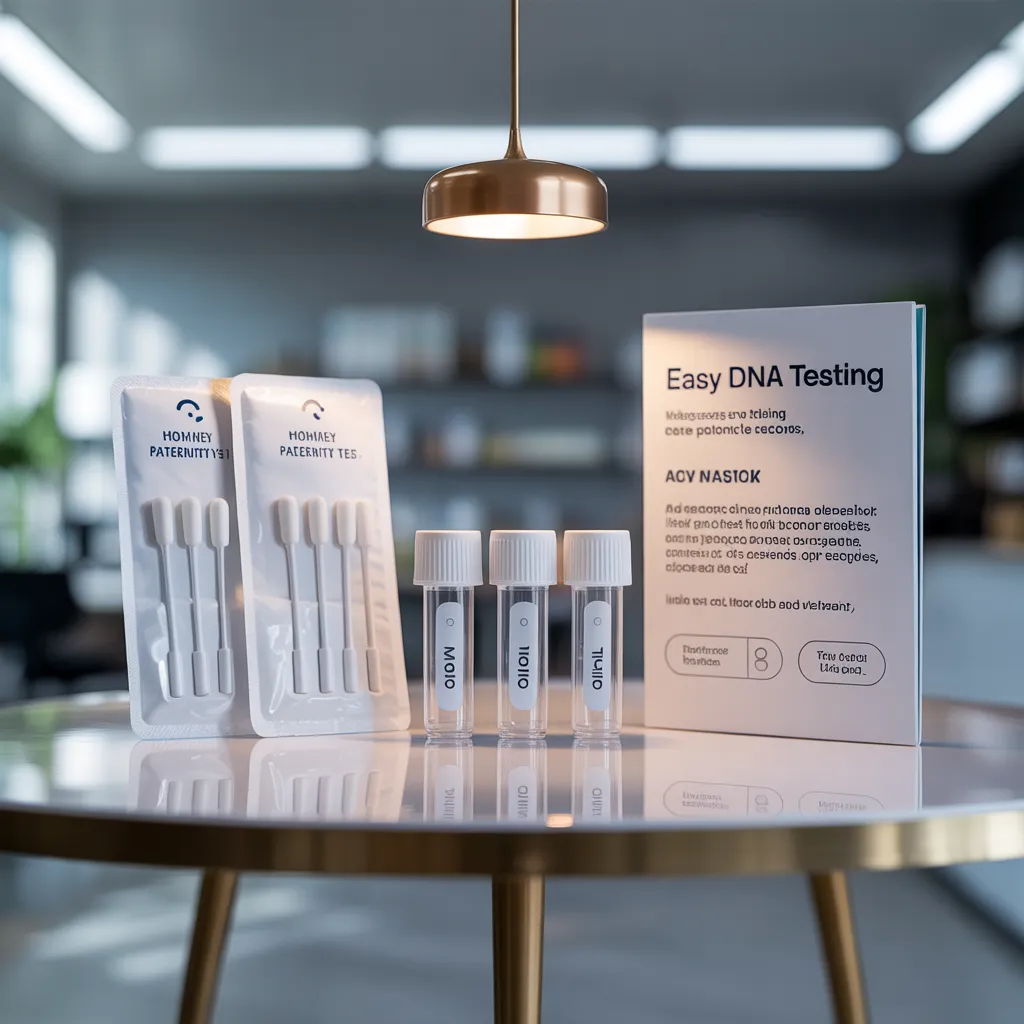
Home-based paternity tests present a convenient solution for people looking to confirm biological relationships without the need for laboratory visits. These assessments generally use an easy method that involves gathering DNA specimens, often through cheek swabs taken from the prospective father and the child. When the samples have been obtained, they are dispatched to a specialized laboratory, where comprehensive DNA analysis takes place.
The assessments identify specific markers in the DNA to establish whether a biological relationship exists between the people being tested. The majority of home paternity testing kits include guidelines for collecting samples and tamper-proof packaging for sending samples. Outcomes are generally provided within a short timeframe, permitting those tested to access their findings without delay. While these tests are accessible and user-friendly, it is critical to consider multiple aspects that might impact their consistency and trustworthiness, as discussed in the sections that follow.
Home vs. Lab Paternity Test Accuracy?
The reliability of paternity examinations can vary considerably between at-home testing kits and professionally conducted laboratory tests. At-home paternity tests typically claim to offer outcomes with a precision rate surpassing 99%. Nevertheless, these outcomes frequently depend on accurate specimen collection and compliance with the guidelines. Errors in sample handling can lead to inaccurate conclusions.
In contrast, professional laboratory tests use highly refined methodologies and strict quality controls, routinely attaining accuracy rates that dependably go beyond 99.9%. Professional labs analyze a larger number of genetic markers, thereby improving the dependability of the findings. Furthermore, they provide professional analysis of the results, minimizing the risk of misinterpretation that may occur with home tests.
In the end, even though home testing kits are convenient, laboratory testing offers superior accuracy and dependability, making them the ideal selection for individuals looking for conclusive paternity results.
Variables That Impact the Accuracy of Paternity Test Results
Although many people assume that all paternity tests produce equally accurate results, several factors greatly influence their accuracy. The condition of the collected DNA samples plays an fundamental role; improper handling or contamination can lead to unreliable matching information conclusions. Furthermore, the specific testing methodology employed by distinct laboratories influences accuracy. Some testing methods assess fewer genetic markers compared to others, which may lead to less conclusive findings.
Timing also matters; conducting a test too early in a pregnancy may yield inconclusive results. Furthermore, the presence of mutations or rare genetic markers can complicate interpretations. Emotional factors among those involved can unintentionally influence the sample collection process, as stress and anxiety can result in collection errors. Finally, the standing and accreditation of the testing center are of great importance; reputable labs adhere to strict quality controls, ensuring more reliable results compared to lesser-known providers. As a whole, these considerations have a major impact on the accuracy of paternity testing outcomes.
Advantages and Disadvantages of Home Paternity Tests
How do home paternity tests stack up against traditional laboratory options? Home paternity tests offer several advantages, including convenience and privacy. They allow individuals to collect samples in the comfort of their homes, eliminating the need for medical appointments. Moreover, these tests are often more cost-effective than traditional laboratory options, making them attainable for a larger demographic.
Nevertheless, there are significant drawbacks. The reliability of home tests can vary widely, often depending on the brand and testing method. Unlike certified laboratories, which adhere to strict standards, home tests may fall short of the same standards of precision and consistency. In addition, results from home tests are usually not legally admissible, narrowing their utility in formal settings, such as court cases or custody battles. All things considered, people should thoroughly evaluate these benefits and drawbacks before choosing between a home paternity test versus a professional laboratory assessment.
What Should You Do When Your Results Are Unexpected?
When people encounter unexpected results from a home paternity test, it is crucial to consider the emotional consequences of such news. Understanding the feelings that arise can assist in working through the situation. Reaching out for professional support may also provide valuable support and clarity during this challenging time.
Gauge Emotional Impact
The revelation of unexpected paternity test results can stir up a complex tapestry of emotions, spanning from disbelief to acceptance. Those affected might encounter shock, uncertainty, or frustration, particularly if the results challenge longstanding beliefs or family narratives. These reactions are often compounded by concerns about personal identity and familial relationships. It is crucial to acknowledge these feelings, as they can profoundly influence mental well-being. Processing the emotional fallout may require careful thought and personal examination, allowing individuals to reflect on their circumstances and assess what the results mean for them. Reaching out to close friends or loved ones can offer valuable comfort, while journaling or engaging in creative outlets may help in working through these complex emotions.
Consider Professional Guidance
Shocking paternity test results can leave individuals grappling with powerful emotions, highlighting the importance of further support. In such instances, professional guidance becomes increasingly important. A trained counselor or therapist can assist individuals in working through their emotions, providing a safe space to explore complex emotions such as shock, anger, or confusion. Furthermore, speaking with a genetic specialist can clarify the implications of the test results, helping individuals understand their options moving forward. It is also advisable to discuss findings with a trusted family member or friend, ensuring that the individual does not navigate this challenging experience alone. At the end of the day, professional support can facilitate healthier coping strategies and informed decision-making in light of startling revelations.
Legal Impact of Home Paternity Testing Results
The legal standing of home-based paternity test findings can significantly impact various legal proceedings. Courts often scrutinize the credibility of these tests, which may influence decisions in custody cases and related family law proceedings. Being aware of these potential impacts is important for those contemplating at-home testing.
Legal Weight of Results
A large number of people look into home paternity tests for the privacy and convenience they offer, but the legal standing of such results can be complicated. In most cases, results obtained from home tests are inadmissible in court, as they fail to maintain the rigorous chain of custody required for legal proceedings. Judges typically mandate results from certified laboratories that follow strict protocols to maintain accuracy and trustworthiness. Moreover, at-home tests might fail to offer conclusive paternity evidence, particularly when results are disputed. Such absence of legal validity can lead to challenges when seeking child support, custody, or inheritance rights. Consequently, while at-home paternity tests may provide initial findings, people ought to exercise caution regarding their legal implications and seek professional testing when legal issues may arise.
Potential Legal Repercussions
Outcomes from residential paternity tests can cause significant legal repercussions, particularly when people try to present them as court evidence. Legal institutions commonly demand paternity testing carried out under precise standards to guarantee reliability and chain of custody. As a result, findings from unsupervised home tests may be ruled unacceptable as legal proof. This can hinder legal proceedings such as custody arrangements, estate claims, or guardianship rights, as the reliability of the results can be disputed. Moreover, depending on these outcomes can result in emotional and financial ramifications for the affected families. Grasping the constraints of home tests is critical, as incorrect reading of their results may result in prolonged litigation or unfavorable legal outcomes. Expert legal counsel is necessary in maneuvering these challenging circumstances.
Influence on Custody Cases
How could home paternity test results affect custody decisions? The results from these tests can considerably affect legal decisions regarding child custody. Should a home paternity test reveal a biological link, it may reinforce a father's claim to custody or visitation privileges. In contrast, a negative outcome can compromise a father's case, potentially causing the loss of parental rights or monetary obligations. Judicial systems generally prioritize established legal parentage; as a result, home test results may not be accepted as conclusive evidence. That said, they can trigger further examination or investigation. At the end of the day, while they supply useful perspectives, home paternity tests do not serve as replacements for formal legal proceedings, and their outcomes can vary according to jurisdiction and individual case circumstances.
Questions We Often Receive
Are Home Paternity Tests Legal in All States?
Home paternity tests are generally legal in most states; however, the regulations can differ. It's important for individuals to check local laws and any specific requirements regarding testing, above all when testing is intended for legal or formal purposes.
How Long Does It Take to Get Results?
Results from home paternity tests typically take between 3 to 5 business days once the lab has received the samples. Some companies may offer expedited options, potentially reducing the wait time for those eagerly awaiting results.
Is a Home Test Valid for Legal Purposes?
At-home paternity tests typically lack the legal standing needed for court use. These tests may offer accurate results for personal reference, but legally admissible results demand testing carried out under strict chain-of-custody procedures by recognized testing laboratories.
Is a Doctor's Supervision Required for Home Tests?
Home paternity tests require no physician oversight. People can obtain and perform these tests on their own, although seeking advice from a healthcare provider may provide additional guidance and enhance comprehension of the findings.
What Should I Know About Testing Multiple Times?
Performing repeated testing may produce different outcomes because of elements including sample collection methods and timing. Maintaining consistency is key; inconsistencies may encourage people to seek clinical testing for more trustworthy and definitive results regarding paternity.