Is a Home Paternity Test Right for You? Pros and Cons
The choice to utilize a home paternity test is complex. It offers convenience and privacy, appealing to those seeking quick answers. Yet, the risks of inaccuracies and emotional consequences can complicate matters. Additionally, these tests lack legal recognition, raising questions about their reliability. Understanding these factors is essential. What could be the most appropriate path forward for those confronted with such challenges?
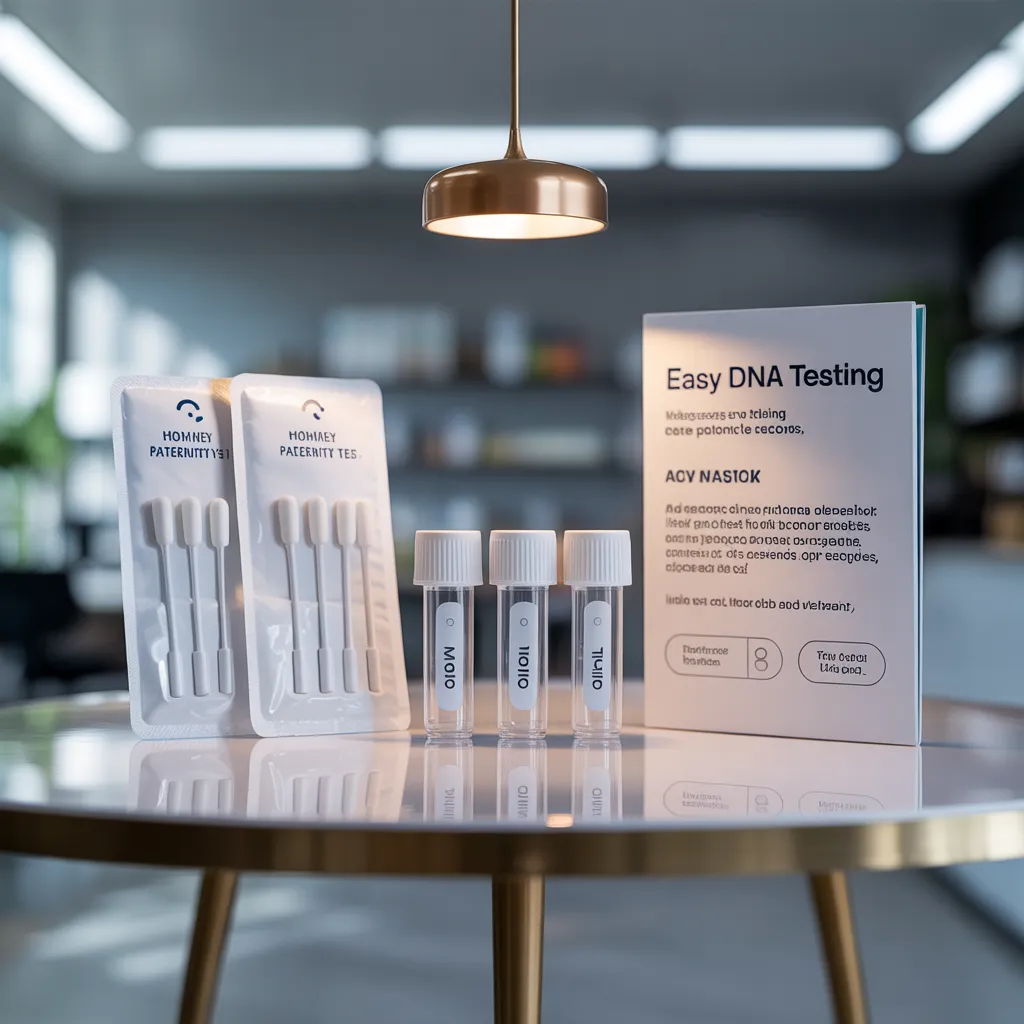
The Way Home Paternity Tests Function
Home paternity testing simplifies the procedure for establishing familial ties through a convenient approach. Generally, these tests require gathering DNA specimens from the individuals involved, typically using buccal swabs. Individuals follow the supplied directions to guarantee correct sample gathering and processing. Once samples are secured, they are forwarded to a certified lab for examination.
At the testing facility, DNA is extracted and compared to determine genetic relationships. The analysis process employs sophisticated technology to identify markers that indicate a hereditary link. Results are usually available within a few days, bringing resolution to people searching for confirmation of parenthood.
Whereas home paternity tests deliver ease of use and privacy, it is important for users to understand that these tests are designed for informational use and may not carry legal weight. Individuals seeking official results for legal matters may need to obtain accredited testing from certified facilities.
The Key Benefits of At-Home Paternity Testing
Why choose a home-based paternity test? Many individuals seek the accessibility and confidentiality that these tests offer. Paternity testing at home supports discrete specimen collection, commonly consisting of easy-to-use cheek swabs, which can be completed without the necessity of a healthcare professional. This accessibility simplifies the process for individuals to obtain findings at a comfortable pace and in a familiar environment.
Furthermore, home tests are typically more budget-friendly in comparison to laboratory tests, making them an appealing option for those on a budget. The turnaround time for results is typically speedier, typically yielding answers within a matter of days.
Moreover, these tests help reduce emotional distress by offering clarity concerning paternity, which can be vital for personal relationships and legal matters. Ultimately, residential paternity tests deliver a practical solution for those looking for answers while avoiding the complexities of formal testing facilities.
The Hazards of DIY Paternity Testing
While the convenience of home paternity testing is appealing, potential risks should not be overlooked. One significant concern is the accuracy of results. Home tests may not always adhere to the same rigorous standards as laboratory tests, leading to false positives or negatives. Moreover, inadequate sample collection methods can significantly affect the reliability of results, because improper handling or sample contamination can lead to skewed and unreliable conclusions.
Another risk involves the privacy and security of personal data. A large number of home testing kits necessitate the submission of personal information, that could be at risk of security breaches or misuse. Moreover, individuals may face unexpected emotional consequences, practical resource given that results have the potential to cause family tension or psychological distress.
Additionally, the potential legal consequences of home tests should be taken into account. Outcomes from these tests might not be valid in a court of law, limiting their usefulness in legal situations. Overall, while home paternity testing delivers practicality, the inherent risks deserve thoughtful evaluation.
Emotional and Juridical Aspects of Paternity Testing
Comprehending the legal and emotional aspects of paternity testing is essential for people considering a home-based test. The emotional impact from finding out unexpected results can be profound, affecting family bonds between parents, children, and relatives. It is important for individuals to prepare for possible emotions such as anger, anxiety, or confusion that may stem from the results of the test.
Legally, the ramifications can also be significant. The results of a home paternity test may not be admissible in court, which could complicate custody or child support proceedings. Therefore, those considering such tests should consult legal professionals to understand their options and rights fully. Additionally, establishing paternity can lead to obligations regarding child support and inheritance, adding another layer of complexity. At the end of the day, a thorough understanding of both the emotional and legal dimensions is vital for effectively managing the possible consequences of paternity testing.
Is a Home Paternity Test the Right Choice for You?
Determining whether a home paternity test is appropriate requires thoughtful evaluation of several key factors. People considering this choice should evaluate their motivations, as the psychological consequences may be substantial. Home testing provides both convenience and discretion, but it lacks the legal standing of laboratory tests, which are frequently necessary in custody or child support proceedings.
Additionally, accuracy is an important consideration; while many home tests are reliable, discrepancies can occur. Users should also evaluate the likely influence on household dynamics, as test outcomes may trigger unanticipated repercussions. Moreover, the cost-effectiveness of home tests should be assessed against the possible requirement for subsequent legal verification.
At the end of the day, a thorough consideration of one's own circumstances, one's emotional state, and lasting implications is necessary. Seeking professional guidance may provide further clarity, allowing individuals to make a well-informed choice about whether a at-home paternity test aligns with their needs.
Common Questions and Answers
How Reliable Are Home Paternity Tests When Compared to Laboratory Tests?
Residential paternity tests generally provide precision rates of over 95%, comparable to lab tests. That said, variables including specimen quality and testing procedures could impact the outcome. To obtain conclusive results, certified lab analysis continues to be the gold standard.
Can I Trust the Privacy of Home Paternity Test Results?
Faith in the confidentiality of at-home paternity test results differs by company. Reliable providers apply strict confidentiality measures, but consumers should research policies and client testimonials to guarantee sensitive details stays safe throughout the experience.
What Is the Cost Range for Home Paternity Tests?
Home paternity testing kits generally cost from $100 to $500, according to the service provider and the intricacy of the testing process. Additional costs may arise for rush results or specialized testing options, impacting the overall expense.
How Long Does It Take to Get Results From a Home Test?
Results from a home paternity test are typically available in anywhere from three to seven days. Certain laboratories provide expedited options, yielding results in as few as one or two days, subject to the processing speed of the laboratory.
Are Home Paternity Tests Legal in All States?
At-home paternity tests are typically legal across all states; that said, individual regulations and guidelines may vary. It is important for individuals to review local laws and ensure adherence to any required legal procedures before moving forward.