Is a Home Paternity Test Suitable for You? Advantages and Disadvantages
The decision to use a home paternity test is multifaceted. It offers convenience and privacy, appealing to those seeking quick answers. Still, the likelihood of inaccuracies and emotional repercussions can create further complications. Additionally, these tests lack legal recognition, raising questions about their reliability. Understanding these factors is essential. What could be the most appropriate path forward for those confronted with such challenges?
How At-Home Paternity Tests Operate
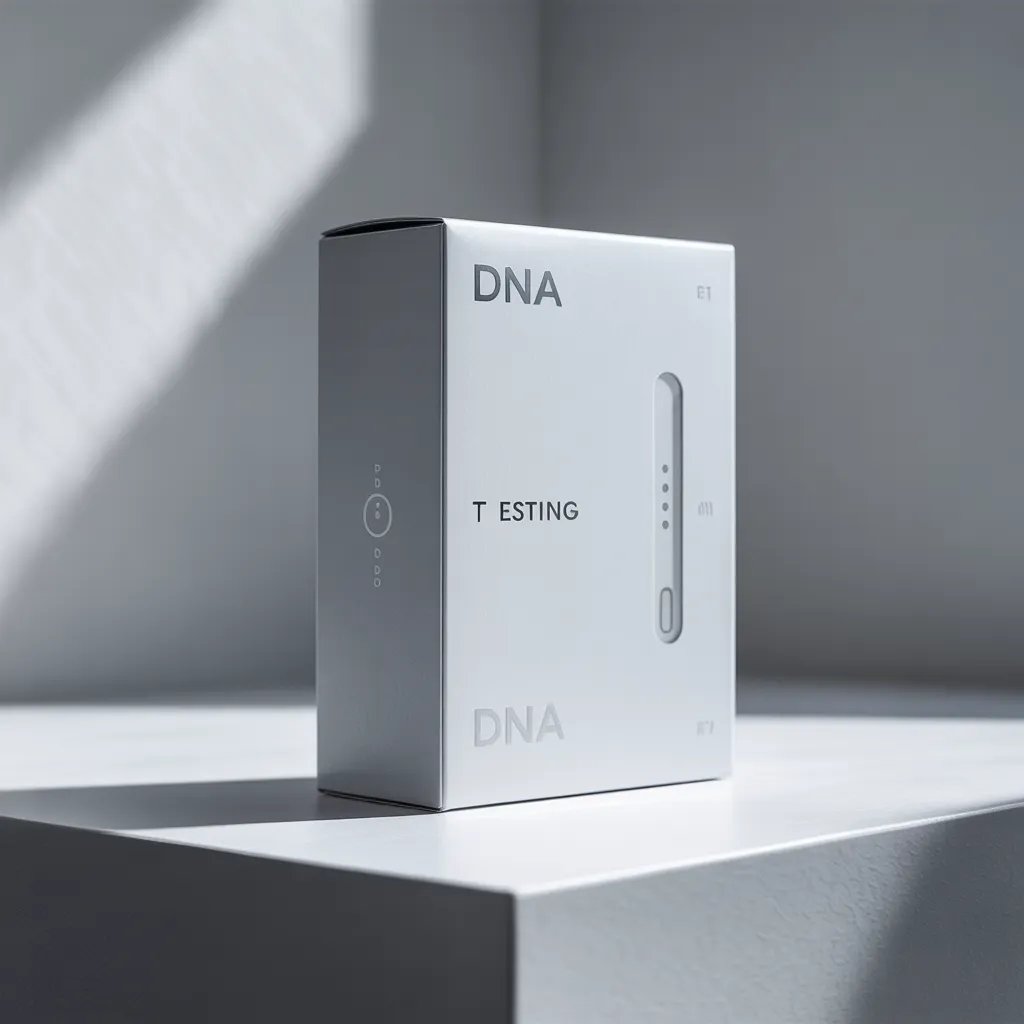
Home paternity tests simplify the method of identifying biological relationships through a convenient method. Generally, these tests require collecting DNA samples from the people being tested, typically using buccal swabs. Users follow the provided instructions to guarantee correct sample gathering and processing. Once samples are secured, they are sent to a specialized testing facility for examination.
Within the laboratory, DNA is isolated and analyzed to assess genetic similarities. The examination procedure leverages cutting-edge methods to detect indicators of a hereditary link. Findings are typically delivered within a few days, bringing resolution to individuals questioning biological ties.
Whereas home paternity tests deliver ease of use and privacy, it is critical for users to recognize that these tests are designed for informational use and may not be recognized in legal proceedings. Those seeking documented findings for legal purposes may need to obtain accredited testing from certified facilities.
The Key Benefits of At-Home Paternity Testing
What makes a home-based paternity test? Numerous people value the privacy and convenience that these tests present. Paternity testing at home supports discreet sample collection, commonly consisting of easy-to-use cheek swabs, which can be completed in the absence of a healthcare professional. This ease of access simplifies the process for individuals to obtain accurate results conveniently and within a comfortable setting.
Additionally, home tests are typically more cost-effective compared to laboratory tests, making them an attractive option for those on a budget. The response time for results is often faster, generally offering answers within several days.
In addition, these assessments can relieve personal uncertainty by offering clarity concerning paternity, which can be highly important for personal relationships and legal matters. In summary, home paternity testing provides a reliable solution for those looking for answers while avoiding the complexities of formal testing facilities.
The Dangers of At-Home Paternity Testing
Although home paternity testing offers considerable convenience, significant concerns should not be ignored. One major issue relates to the precision of the findings. Home tests may not always adhere to the same rigorous standards as laboratory tests, leading to false positives or negatives. Additionally, improper sample collection can compromise the results, since contamination or poor handling practices may distort the outcomes.
An additional risk concerns privacy and data security. Numerous home testing kits ask users to provide personal details, which could be vulnerable to breaches or misuse. In addition, users may experience unanticipated emotional impacts, as results can lead to family conflicts or distress.
In closing, the potential legal consequences of home testing should be kept in mind. Results from these tests may not be recognized in legal proceedings, reducing their value in legal proceedings. All things considered, while home paternity testing delivers convenience, the accompanying concerns warrant careful consideration.
The Emotional and Legal Dimensions of Paternity Testing
Recognizing the legal and emotional considerations of paternity DNA testing is crucial for individuals contemplating a private home test. The emotional impact from learning about surprising outcomes can be deeply impactful, impacting relationships between parents, children, and extended family. People should be ready for possible emotions such as anger, anxiety, or confusion that might arise from the results of the test.
In legal terms, the consequences can be considerable. The results of a home paternity test may not be admissible in court, possibly creating complications in custody or child support cases. Consequently, individuals thinking about these tests should seek legal counsel to fully understand their rights and options. Furthermore, determining paternity can create legal obligations concerning child support and inheritance, introducing an additional dimension of complexity. At the end of the day, a thorough understanding of both the emotional and legal dimensions is vital for effectively managing the possible consequences of paternity testing.
Could a Home Paternity Test Be Right for You?
Deciding if a home paternity test is suitable involves careful consideration of various factors. Those thinking about pursuing this route should carefully assess their reasons, as emotional implications can be significant. A home test offers convenience and privacy, but it falls short of the legal recognition afforded to corresponding information laboratory-based tests, which are commonly mandated in legal matters involving custody or financial support.
In addition, accuracy is an important consideration; while many home tests are reliable, discrepancies can occur. People should additionally consider the possible effects on family relationships, as results may lead to unexpected consequences. Moreover, the cost-effectiveness of home tests should be assessed against the potential need for follow-up legal testing.
Ultimately, a thoughtful assessment of one's own circumstances, emotional readiness, and lasting implications is essential. Seeking professional guidance may provide further clarity, helping individuals make an informed decision about whether a at-home paternity test is the right fit for their situation.
Frequently Asked Questions
How Do Home Paternity Tests Compare in Accuracy to Lab Tests?
Residential paternity tests typically offer precision rates of over 95%, similar to lab tests. Nevertheless, factors like specimen quality and examination procedures can influence results. For definitive answers, laboratory-based testing continues to be the gold standard.
Is the Privacy of Home Paternity Test Results Reliable?
Trust in the confidentiality of home-based paternity test results differs by provider. Reputable providers apply rigorous confidentiality measures, but people should review guidelines and customer feedback to ensure private data remains safe throughout the experience.
What Is the Cost Range for Home Paternity Tests?
Home paternity tests typically range from $100 to $500, depending on the provider and the complexity of the test. Additional costs may arise for expedited results or specialized testing services, affecting the total cost.
How Long Will It Take to Obtain Results From a Home Test?
Home paternity test results usually take anywhere from three to seven days. Certain services can offer accelerated testing options, yielding results in as few as one or two days, based on the lab's processing capabilities.
Are Home Paternity Tests Legal in All States?
Home-based paternity tests are broadly legal throughout all states; however, specific regulations and guidelines may vary. Individuals must verify applicable local laws and confirm compliance with all necessary legal requirements prior to proceeding.