Is a Home Paternity Test the Right Choice for You? Benefits and Drawbacks
The choice to utilize a home paternity test is complex. It delivers accessibility and confidentiality, drawing in those who desire swift conclusions. However, the potential for errors and psychological impacts can make things more difficult. Moreover, such tests hold no legal standing, prompting concerns regarding their validity. Recognizing these elements is critically important. What would be the wisest approach for people navigating these difficult circumstances?
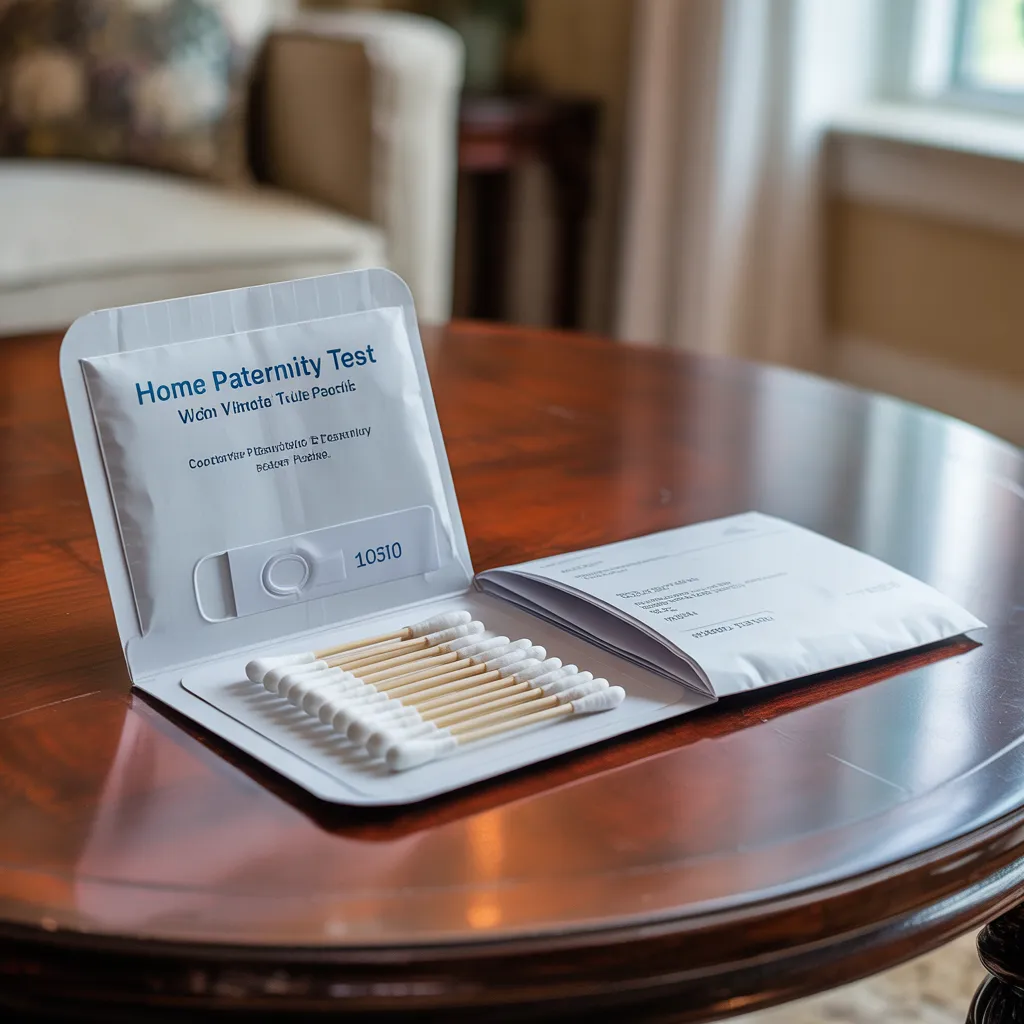
The Way Home Paternity Tests Function
Home paternity tests simplify the procedure for establishing biological relationships through a convenient process. In most cases, these tests include collecting DNA samples from the individuals involved, typically using buccal swabs. Individuals follow the supplied directions to guarantee accurate specimen collection and management. Once samples are secured, they are dispatched to a designated laboratory for copyrightination.
Within the laboratory, DNA undergoes extraction and comparison to evaluate biological connections. The copyrightination procedure utilizes advanced techniques to identify markers that indicate a biological relationship. Findings are typically delivered within a short timeframe, bringing resolution to individuals questioning biological ties.
Whereas home paternity tests deliver ease of use and privacy, it is important for people to understand that these tests are meant to serve informational needs and may not carry legal weight. Individuals seeking formal results for legal proceedings may need to obtain accredited testing from certified facilities.
The Key Benefits of At-Home Paternity Testing
Why consider a home paternity test? Most people are drawn to the privacy and convenience that these tests deliver. This type of paternity testing allows for private sample collection, commonly consisting of easy-to-use cheek swabs, which are able to be conducted in the absence of a medical professional. This ease of access simplifies the process for people to get findings at a comfortable pace and in the comfort of their own home.
Additionally, home tests are generally less expensive relative to laboratory tests, making them an appealing option for people with limited budgets. The processing time for results tends to be more rapid, typically yielding answers within a few days.
Additionally, these assessments can relieve emotional doubt by offering clear insight regarding paternity, which can be crucial for legal matters and personal relationships. Ultimately, residential paternity tests deliver a viable option for those looking for answers while avoiding the complexities of formal testing facilities.
The Hazards of DIY Paternity Testing
Although home paternity testing offers considerable convenience, significant concerns should not be ignored. One major issue relates to the precision of the findings. Home testing kits do not always meet the strict standards maintained by professional laboratories, which can result in inaccurate positive or negative outcomes. Additionally, improper sample collection can compromise the results, as contamination or inadequate handling might skew findings.
Another concern relates to the privacy and security of personal data. A large number of home testing kits necessitate the submission of personal information, which could be vulnerable to breaches or misuse. Furthermore, users may experience unanticipated emotional impacts, as results can lead to family conflicts or distress.
Finally, the legal aspects of home paternity tests should be carefully copyrightined. Results from these tests might not be accepted as legal evidence, diminishing their effectiveness in court cases. Ultimately, while home paternity testing delivers practicality, the associated risks deserve thoughtful evaluation.
Emotional and Legal Considerations of Paternity Testing
Recognizing the emotional and legal implications of paternity testing is vital for anyone contemplating a home testing kit. The emotional fallout from discovering unanticipated findings can be far-reaching, influencing relationships between parents, children, and extended family. It is important for detailed resource individuals to prepare for the possibility of experiencing confusion, anxiety, or distress that might arise from the test outcomes.
Legally, the ramifications can also be significant. The findings from a home paternity test might not hold up in court, possibly creating complications in custody or child support cases. Therefore, those considering such tests should consult legal professionals to understand their options and rights fully. Additionally, confirmed paternity may result in responsibilities related to child support and inheritance, introducing an additional dimension of complexity. At the end of the day, informed consideration of both emotional and legal aspects is critical to guiding the potential consequences of paternity testing effectively.
Could a Home Paternity Test Be Right for You?
Determining whether a home paternity test is appropriate necessitates a thorough assessment of multiple considerations. Those thinking about pursuing this route should carefully assess their reasons, as emotional implications can be significant. This type of test delivers ease of access and confidentiality, but it does not carry the legal validity of professional lab tests, which are often required for custody or support cases.
Additionally, accuracy is an important consideration; while numerous home tests prove trustworthy, inconsistencies may arise. Individuals should also weigh the likely influence on household dynamics, as results may lead to unexpected consequences. Moreover, the cost-effectiveness of home tests should be assessed against the likely necessity of additional professional testing.
Ultimately, a thoughtful assessment of individual situations, one's emotional state, and long-term consequences is crucial. Speaking with a specialist may provide further clarity, enabling people to reach an educated conclusion about whether a home paternity test is the right fit for their situation.
Answers to Your Most Common Questions
How Do Home Paternity Tests Compare in Accuracy to Lab Tests?
Residential paternity tests commonly deliver accuracy rates exceeding 95%, similar to laboratory tests. Nevertheless, factors like sample quality and testing methods could impact the results. For definitive answers, laboratory-based testing remains the gold standard.
Can the Privacy of At-Home Paternity Test Results Be Trusted?
Trust in the privacy of at-home paternity test results varies by company. Trustworthy providers enforce robust confidentiality protocols, but individuals should copyrightine guidelines and customer feedback to ensure personal information remains protected throughout the experience.
What Is the Cost Range for Home Paternity Tests?
At-home paternity tests usually range from $100 to $500, based on the testing provider and the level of complexity involved. Additional costs may arise for rush results or specialized testing options, affecting the total cost.
How Long Will It Take to Obtain Results From a Home Test?
Results from a home paternity test generally take between three to seven days. Some providers can offer expedited options, providing results in as few as one to two days, based on how quickly the laboratory processes samples.
Are At-Home Paternity Tests Permitted in All States?
At-home paternity tests are typically legal across all states; however, particular rules and requirements can differ. It's essential for individuals to verify local laws and confirm compliance with any necessary legal procedures before proceeding.